Nature Access for All! Clark County’s Upcoming Parks, Recreation, Open Space and Trails Plan Update
Submitted by Tonya Enger, FOCC Board of Directors
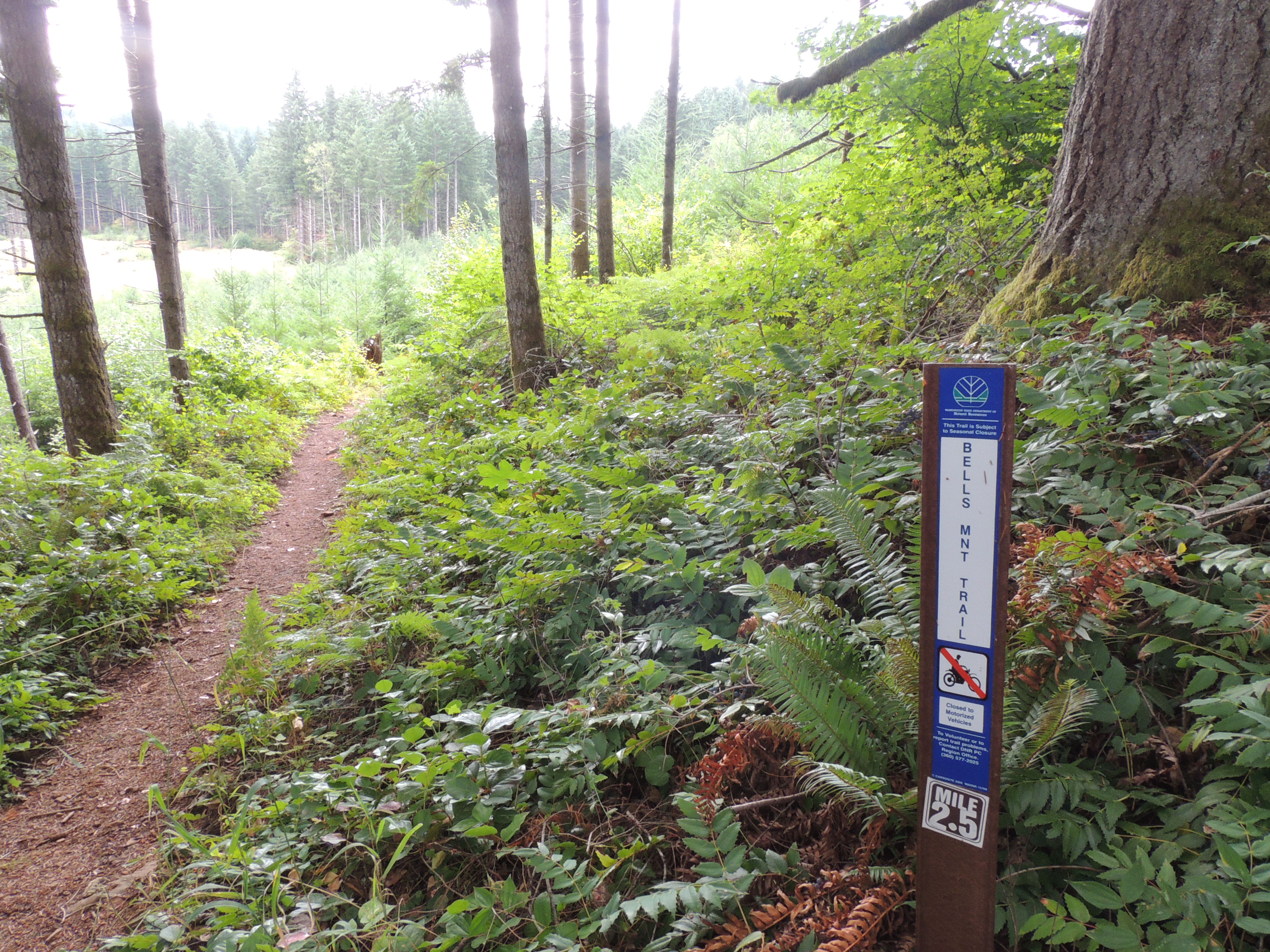
Bells Mountain Trail, photo courtesy of Tonya Enger
It’s no secret that Clark County is a great place to live, but why is that? Whether you’ve lived here for a long time or are new to the Pacific Northwest, chances are that the nature and open spaces in Clark County contribute to why you and so many others love living here. Whether you seek out parks and nature in Clark County to bike, bird, hike, run, stroll, forest bathe, fish, hunt, horseback ride, play volleyball, or just gather with family or friends, it’s not hard to see why parks and nature access is important to everyone. Nature access makes communities healthier. In fact, studies show that access to parks and nature is one of the most effective health promotion and disease prevention strategies. Improving urban nature corridors is not only good for people directly, but for wildlife and ecosystems, as increased nature connectivity helps mitigate biodiversity loss.
As the population in Clark County is projected to grow, planning for nature access is crucial for maintaining quality of life. Soon, we will ALL get a chance to engage with county planners as they update the county Parks, Recreation, & Open Space Plan and that includes YOU! Here is what we, at FOCC, think you should know about this momentous undertaking in the works.
Last month, parks and recreation staff presented to the Clark County Council at the April 1st work session, giving an initial briefing on the current state of the plan (the what and the why), the bodies of work involved, and thoughts on public engagement strategies that will allow for a dynamic and participatory revisioning of how people access and recreate in nature in Clark County. To quote Ross Hoover, Parks and Nature Division Manager, “This plan will be an opportunity to rethink our role in the region.”
You can also review FOCC’s January 2026 forum, where Ross Hoover and others presented on the topic of funding our parks and trails.
Why Update the Parks Plan?
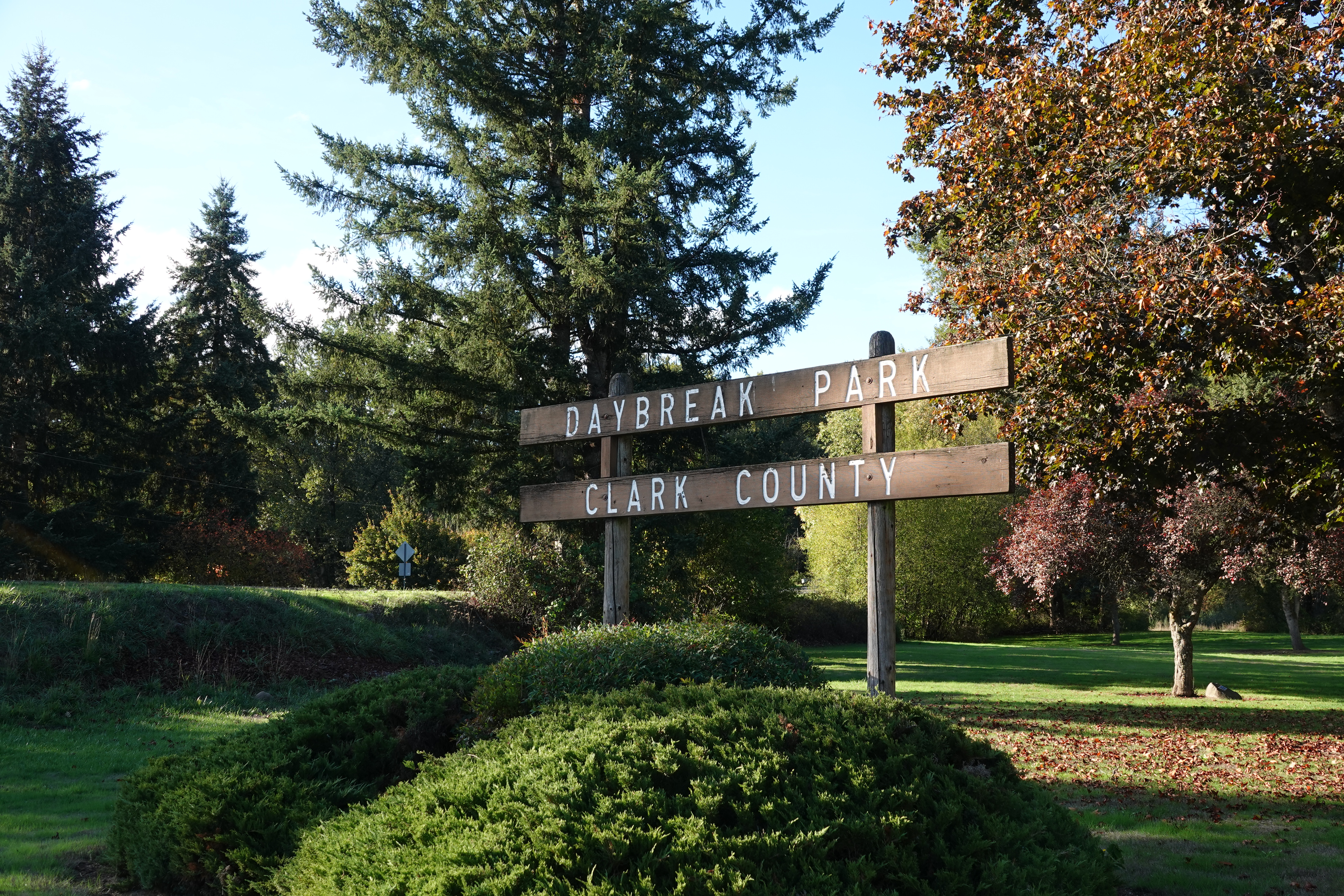
Daybreak Regional Park, photo courtesy of Lynde Wallick
Clark County holds 7,166 acres of parks, 4,300 acres of legacy lands, and 111 parks and sites, which together make up the Clark County park system. A lot goes into managing all this land, and that’s where a parks plan comes in. The last parks plan was adopted in 2022 and runs through 2027; it identified capital priorities, assessed inventory, and received public input. This upcoming parks plan will be long-term, spanning the next 20 years – no small task! While a noble and ambitious pursuit in itself, having a parks plan is a requirement of the County Comprehensive Plan mandated by the state Growth Management Act (GMA). This is part of a planning document that will account for the growing and evolving needs of the county, and as we are projected to gain 154,854 more people in the next 20 years, having a plan to allow equitable and quality nature access is essential.
Additionally, having a parks plan allows the county to be eligible for state grant funding, which is an important part of how we secure funds for things like trail building, habitat restoration, and other large projects. (This is why it is important for Clark County to be in compliance with the GMA regarding urban growth areas and agricultural land designations to maintain eligibility for this funding—see Jackie Lane’s Comp Plan article for that!) A parks plan is also needed because there is already a lot of room for improvement in how our parks can serve the public at the most basic levels. According to the county’s Regional Funding Task Team, “Clark County parks system is not meeting its existing needs due to a lack of available funding, rising costs, and rapid population growth. For the past 5 years, the County has had to use reserve funds just to cover the basic services at our Regional Parks.” As of right now, the county is below the national median for both operating expenditures and full time staffing for park systems with similar populations. Parks upkeep has suffered, maintenance has been deferred, and a third of daily tasks are not getting completed (Regional Funding Task Team). Having a streamlined plan in place will allow staff to prioritize funding objectives and effectively communicate project funding needs.
Funding is paramount to the success of any plan, especially one as long-term and ambitious as this 20 year parks plan. In 2025, The Clark County Council directed the parks team to form a Regional Parks Funding Task Team, which met eight times with councilors. They looked at existing funding models and came up with some recommendations for forward action, which include conducting research on a future ballot measure and developing a framework for revenue sharing with cities. You can watch the findings of this task team presented to council in a work session on May 20th.
What is the Plan?
Gordy Jolma Family Natural Area, photo courtesy of Lynde Wallick
In the parks plan update presentation from April 1st, planners went over three bodies of work that will form the substance of the plan: the Natural Areas Acquisition Plan, the Regional Trail Plan, and Level of Service Methodology. Some elements of these three components have existed prior, but some are getting redefined to meet current goals.
- Natural Areas Acquisition Plan: Lands Division Manager Kevin Tyler presented on this body of work and reviewed the successes of the Legacy Lands program, which has achieved conservation of 5,500 acres in the county over the years. Historically, this program has operated separately from parks planning, but Tyler says that for this upcoming plan update, they will be joining the Legacy Lands program mission with the larger project of the parks plan update. This merging will allow the county to align the county’s vision of land acquisition with the objectives of the GMA, as well as the overarching goals of a long-term natural spaces plan. They will be working with a consultant to identify suitable lands using GIS.
Our Takeaway: While consultants will be teaming up with planners to utilize data to identify land suitable for acquisition, this will be a critical area for public engagement as well. Most of the forested and natural lands that aren’t privately owned are managed by the state through the WA Department of Natural Resources (DNR). While planners have said that they will be partnering with the DNR to identify land acquisition goals, it’s important to remember that DNR manages these lands first and foremost for public stakeholders (including you!) – which means that if certain lands are valuable to the public for certain uses, such as nature recreation, then your voice matters in the decision making process. This will also be a clear opportunity to identify public lands that benefit the public in ways that aren’t neatly defined as “parks”. For example, so many of our legacy forest lands are important for biodiversity and helping achieve county emissions reductions goals. They are also valuable in themselves as wild areas that can be accessed by the public for the benefit of being wild. These are all ways that public lands can be considered in respect to this new parks plan.
- Regional Trail Plan: The regional trail plan was established in 2006 and amended in 2015. Planners say while there hasn’t been a lot of progress on this component with unclear priorities, there remains a huge potential to enact bold changes in the visioning process for how they improve the plan for trail access in the county. This includes collaboration with cities in integrating a coherent trail system that allows for connectivity between natural areas and opening up equitable access for county residents who face barriers to recreating in nature. Of course, public engagement will be instrumental in how this component is designed, and planners hope that they will hear from the public on which corridors are important, and where to establish trails separate from right-of-way roadways.
Our Takeaway: This will be a huge area for public engagement and arguably will allow for the most creative envisioning. Planners are hoping to engage individuals and communities in the county who may have not had a voice in parks planning before. How do we improve nature access in our county and what does that look like? Now is the time to dream big and help contribute to a community project that will not only improve the quality of life for our growing population, but also help define the region.
- Level of Service Methodology: This part of the plan will improve how we know our public lands are meeting the needs of the
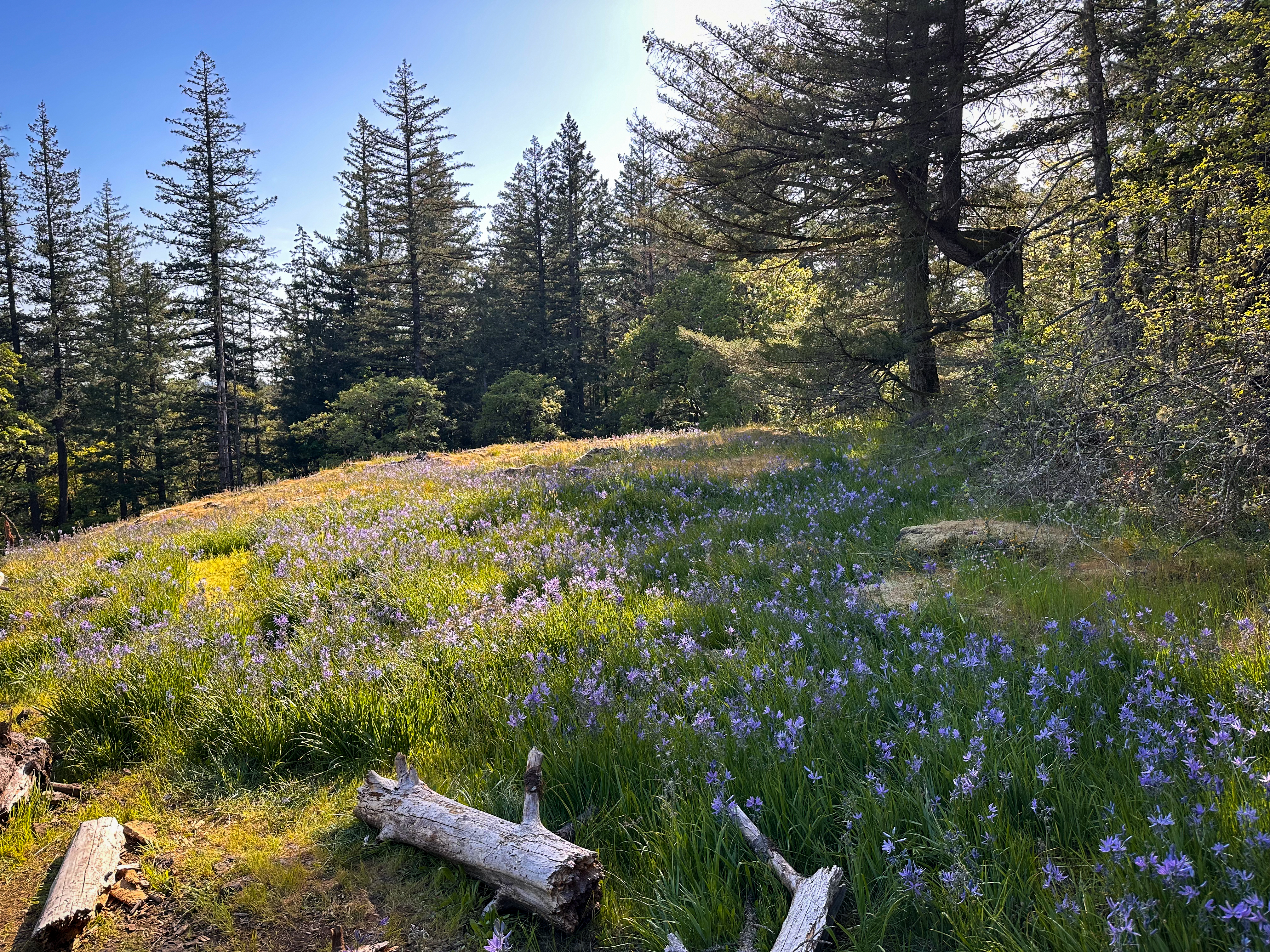
Lacamas Regional Park, photo courtesy of Lynde Wallick
public and where we need to improve. Currently, the level of service for parks in Clark County is gauged by acres per capita, which does not really tell us a whole lot about the quality of those acres, or what those acres are used for and by whom. Additionally, per capita spending on parks is very low. Clark County residents pay $16.04 per capita per capita on parks. The national average per cities >500,000 is $51.73. Clark County residents pay 31% of what the rest of the nation pays. Hoover says that these per capita metrics often fail to portray the needs of shifting demographics. Along with subjective feedback, they will be using consultants to help identify how well the county is meeting the needs of the growing population. Level of service ranking in this plan update will expand to include areas like: facilities per capita, access distance/time, facility condition, quality and inclusivity, and operational funding per acre. All of this data and input will help simplify a trail plan that allows for updates on a 6 year basis.
Our Takeaway: This component has a lot of potential for educating the public about their role in not only speaking out for parks and recreation, but for county participation at large. Often it is not always clear to the public on what role they play in county planning, but nature and recreation space is in our view the most accessible rallying point for community participation, because it is literally the common ground that we all share. Public input will play a big part in how planners think about the needs that public lands fulfill and how to prioritize project development.
New Perspectives on Parks Planning
As demographics in Clark County are rapidly changing and our population grows, capturing the increased demands and expectations of our parks system will be critical. The planning team is motivated to continue building trust and partnerships with the community so that their planning work can best reflect the people they serve. Hoover also stressed that this plan will partner with other county departments to incorporate additional strategies for parks planning, like health and wellness perspectives, climate mitigation efforts, and economic development interests. As we have been closely monitoring DNR-managed legacy forests in the county for the last two years, we are hopeful that this plan update allows for additional perspectives on the importance of increasing the protection of our future old growth forests and critical wildlife habitat.
Participate in this Planning Process – Next Steps
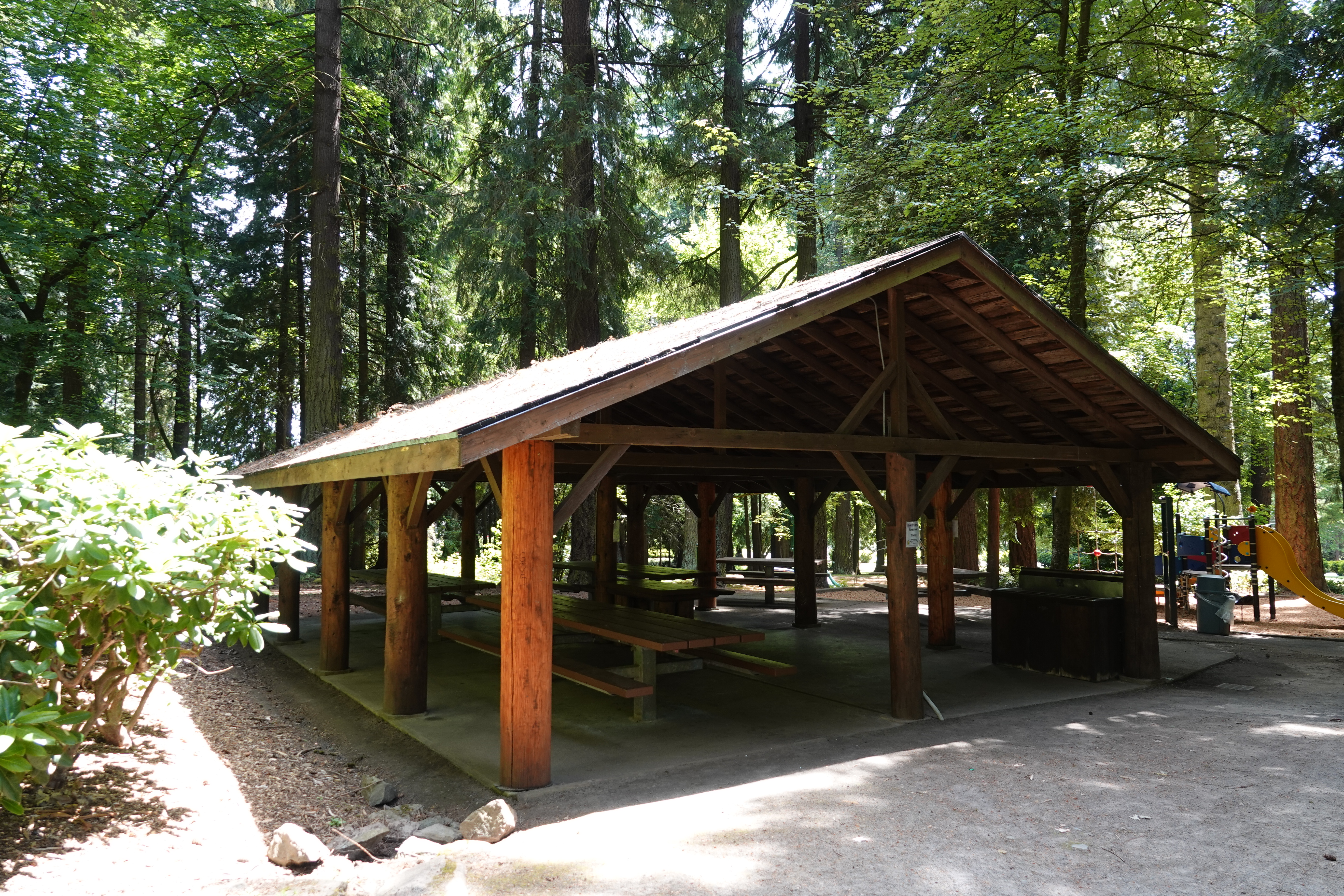
Hazel Dell Community Park, photo courtesy of Lynde Wallick
Public input in the planning process is critical to achieving the aims of the plan, and is also important symbolically, because it allows county residents to collaborate on a vision for the future and help construct a regional identity rooted in place. For example, Clark County is at the gateway to scenic areas like the Columbia River Gorge and the Cascade range. How does our public nature access support and reflect this unique part of the world?
There will be many opportunities to participate in the coming year, whether by filling out surveys, attending meetings, or joining one of several focus groups that will meet with the county staff and provide more focused direction based on different perspectives. Some examples of focus interest groups that will be formed would be: community group partnerships, youth and adult recreation and health, environmental. There will also be county-appointed community navigators to help steward public engagement. According to county Parks and Trails Planner, Lynde Wallick, there will be some volunteer opportunities in assisting with the parks update process. Do you belong to a community group that hasn’t participated in parks planning before? Do you or someone you know have interest in being considered for a focus group on the parks plan? You can reach out to Lynde Wallick, Parks and Trails Planner at lynde.wallick@clark.wa.gov for more information on how you can get involved.
What’s in a name? In addition to parks, recreation, and open space, “trails” will be an additional category that is considered in this current revisioning, which spells out “PROST”. As part of the public engagement process, Hoover stated that they are seeking feedback on what to call this plan, perhaps something more evocative than “PROST plan”?
However you enjoy parks, trails, and nature in Clark County, now is the time to start thinking about how our county’s parks and nature access can improve. Whether you live inside or outside city limits, our parks and trails are meant for your benefit. Follow along as we monitor the progress made on this parks plan update, learn more about the strategies for engagement, and share opportunities for crafting a shared vision of parks and nature access for all in Clark County. And in the meantime, get outside and visit your favorite nature space!