Preserving Farmland in Clark County: Transfer of Development Rights Are Not The Answer
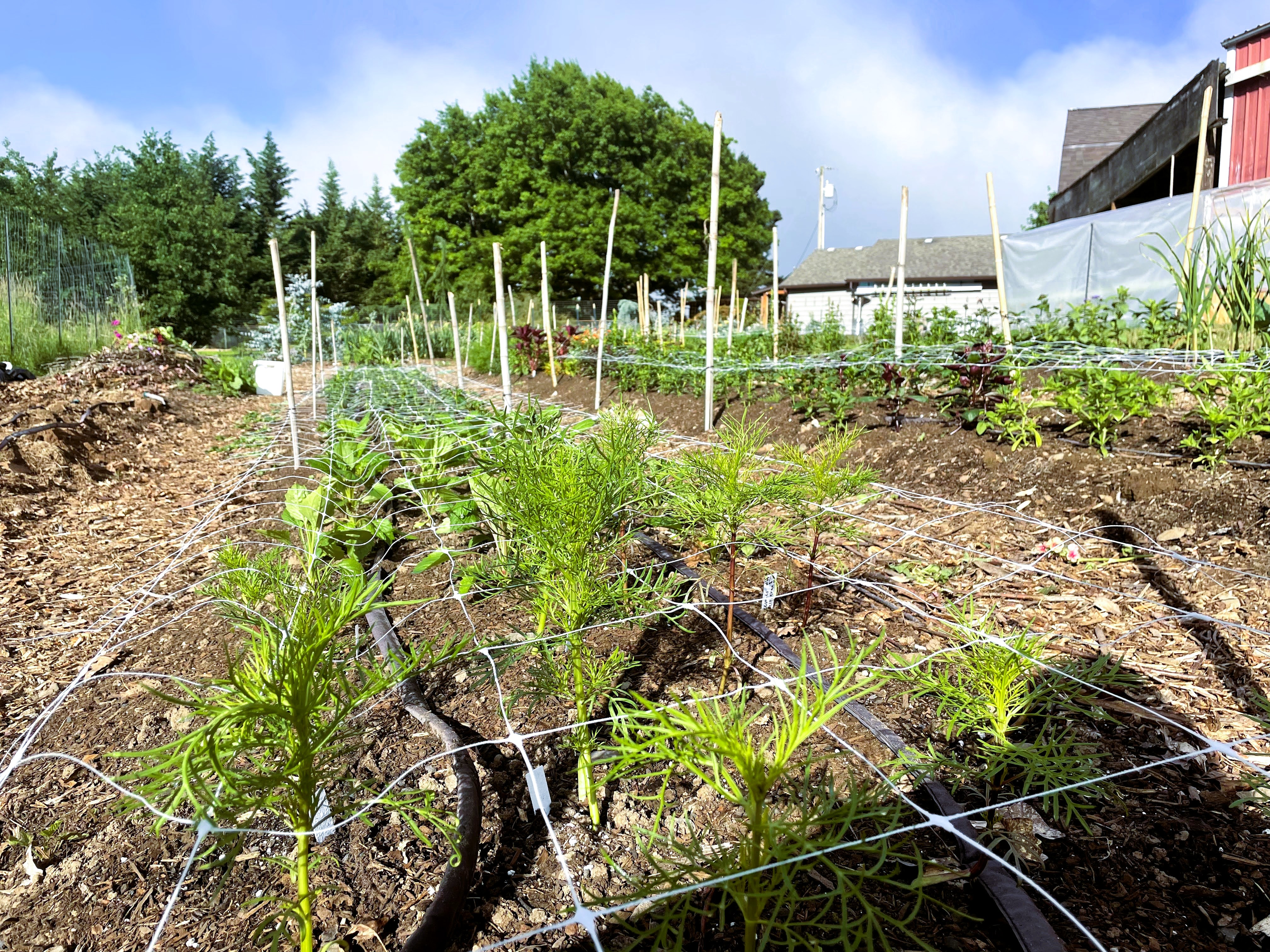 As Clark County enters the final months of its Comprehensive Plan Update, farmland preservation has become a flash point—particularly in proposals from the Cities of Ridgefield and La Center that would de-designate agricultural land. De-designation of viable agricultural land contrasts sharply with methods used elsewhere in Washington that actively maintain or grow the agricultural land base when development pressures arise.
Across the state, counties have paired farmland protection with rigorous mitigation requirements. Some examples include:
- Kitsap County’s 3:1 Agricultural Mitigation Program, which requires a 1:1 conservation of adjacent farmland or a 3:1 acres of land to be conserved if adjacent farmland isn’t available for every acre removed from agricultural use. Critically, it requires that the farmland be of comparable quality.
- King County’s Four-to-One (4:1) Rural Open Space Program protects four acres of farmland or natural resource land for each acre brought into urban growth areas.
- Snohomish County’s FEED (Farmland Expansion and Enhancement Delivery) initiative focuses not only on preventing loss but on expanding productive agricultural lands. The program proactively goes after under-utilized lands that meet the criteria to be designated agricultural lands to create a bank for swaps.
These models align with both the Growth Management Act’s (GMA) goals and the Clark County Agricultural Advisory Commission’s recommendations which emphasize net gain or replacement of farmland as a condition of conversion.
In contrast, Ridgefield’s current proposal to de-designate farmland under a single interlocal agreement with Clark County without parallel replacement raises concerns among farmers and planning professionals. The proposal would reduce the county’s designated agricultural land base and, because there is no mitigation requirement, would fail to ensure that farmland losses are offset. As County Community Planning staff and the County’s Agricultural Advisory Commission has repeatedly pointed out, this type of de-designation approach runs counter to the spirit and practice of effective farmland preservation under the GMA.
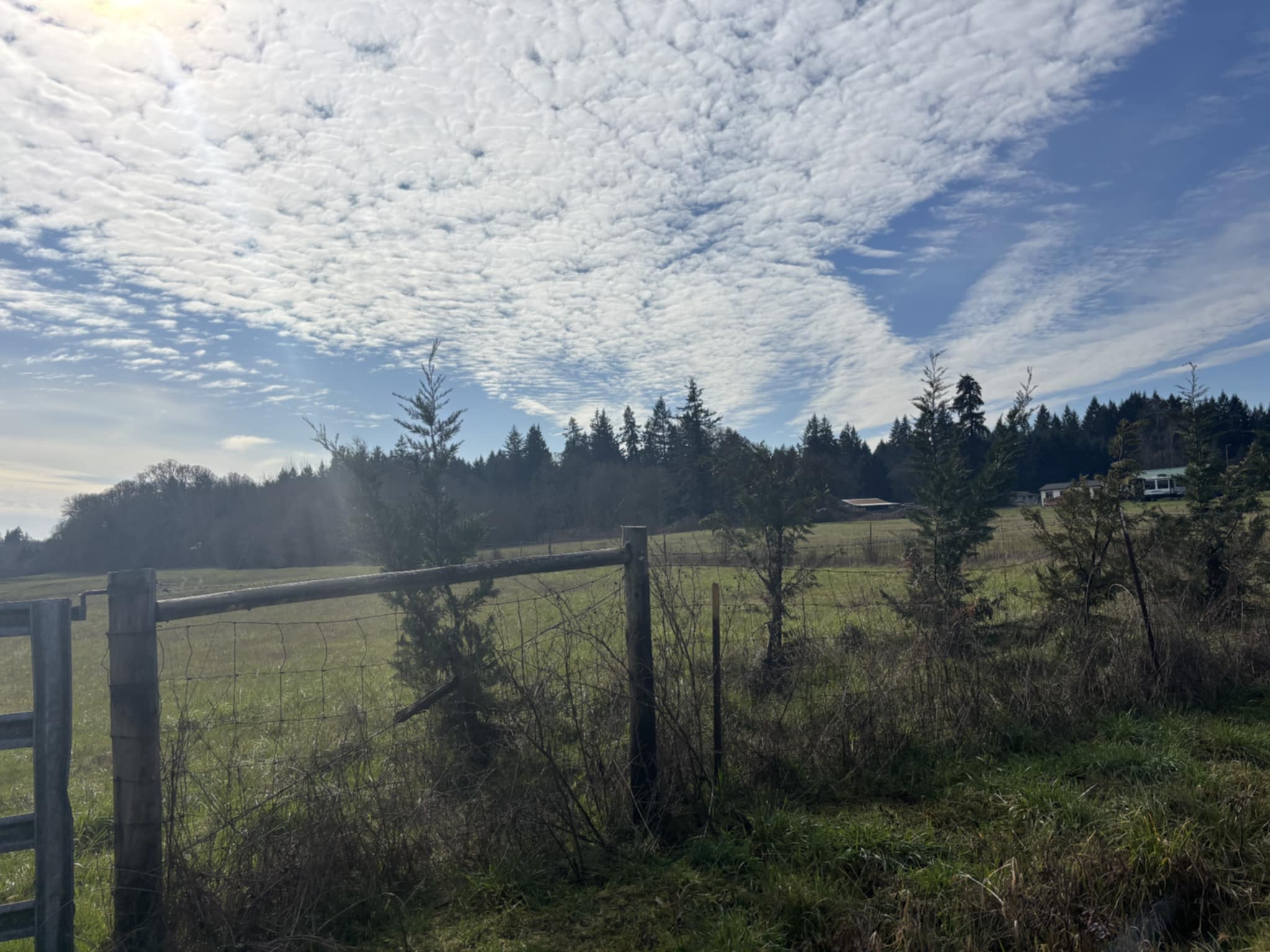 Tools like Transfer of Development Rights (TDR) and Purchase of Development Rights (PDR) provide mechanisms to conserve farmland in perpetuity, but they are not mitigation programs. TDRs let landowners protect farmland by selling development rights on the open market to developers. PDR typically has a governmental agency or intermediary buy development rights directly in order to retire them. You can view King County’s explanation of this process here. Both TDRs and PDRs help maintain the existing agricultural footprint without reducing the designated base and, importantly, they don’t permit unmitigated loss the way Ridgefield’s current plan would.
To be clear, Friends of Clark County maintains our position that there is no justification for de-designation of agricultural land whatsoever, as county modeling demonstrates that all jobs and housing allocations for future population growth can be accommodated within all existing urban growth areas. Therefore, we support Alternative 1 as the Preferred Alternative for the Comp Plan Update.
Regarding TDRs, we caution against proposals that are not countywide, do not center Clark County’s Agricultural Advisory Commission in the development of a TDR program, or do not take the time necessary to develop a quality program that will actively maintain or grow the agricultural land base.
In conclusion, Friends of Clark County agrees with the recommendations of the Clark County Agricultural Advisory Commission:
- No Ag Land should be de-designated in this Comprehensive Plan Update
- A program that aligns with the GMA and actually protects farmland should be developed before the next Comprehensive Plan Update in 2035.
If you agree, please contact your Clark County Councilor and emphasize these two important points.