Legacy Forest Update (March 2026)
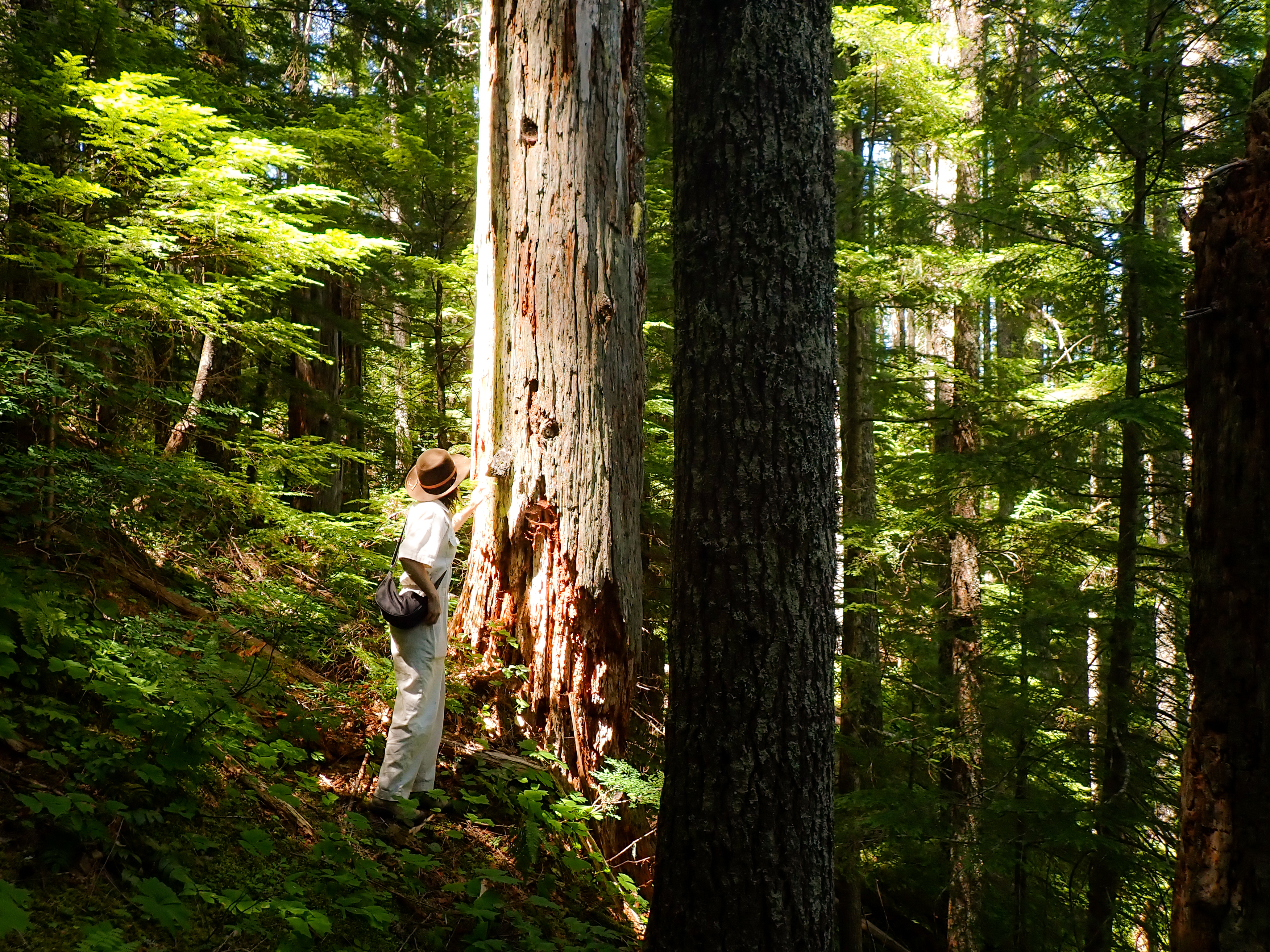
Photo of Turnover timber sale, courtesy of Tonya Enger
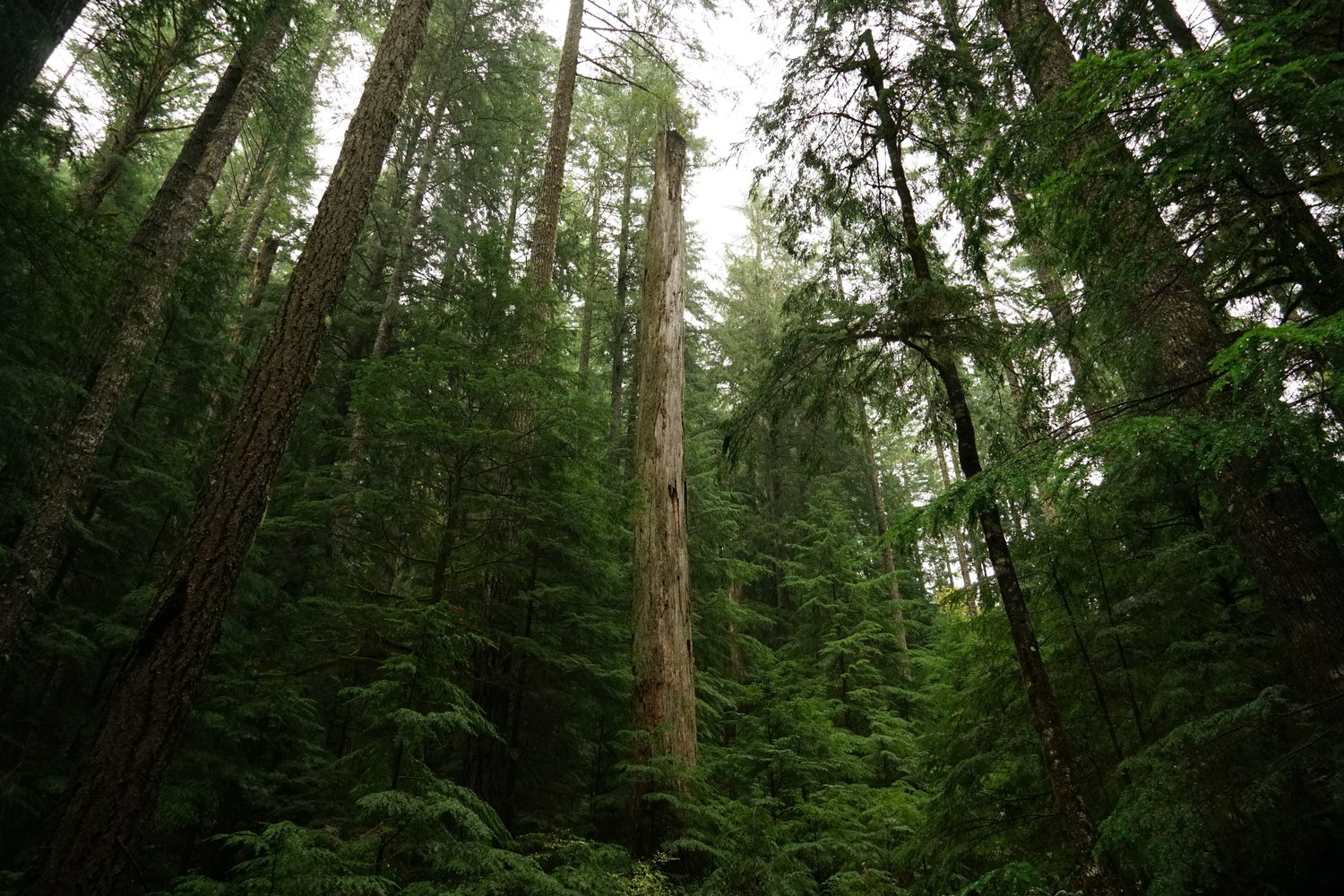
Over the past 2 years, we have worked to enlighten folks to the plight of Washington State legacy forests–those areas of forest which have grown into peaceful, moss-covered diverse ecosystems where spotted owls, endangered western gray squirrels, marbled murrelets, and many other species cohabit among the huge trees. If left undisturbed, the trees will soon become old growth. However, presently, these forests are critically endangered by the Washington Department of Natural Resources (WA DNR) and Commissioner of Public Lands Dave Upthegrove’s current timber sale plans.
You may recall that we lost the Dabbler, Turnover, Dendrophobia and Copper Head units within the Eastern Clark County region over the last year and a half. You can find more background on our advocacy for those legacy forests, as well as our investigation into the school funding that is tied to these timber sales, in our December Forest Update.
As a reminder, FOCC and other groups, such as the Legacy Forest Defense Coalition (LFDC), are also working to find a viable alternative to fund the Junior Taxing Districts. The benefits these forests provide are invaluable to our water, climate, and wildlife and should not be tied to things like school funding which pits public schools against forests that ensure a liveable future for today’s school children. The fact remains that these living examples of the highest order of ecosystems, when clear cut, can never be replaced within our or our children’s lifetimes.
Eden’s Last Chance
Joshua Wright of the Legacy Forest Defense Coalition has created a film about his zeal for environmental advocacy and his travels over the years to meet with other environmentalists–putting this education into action through his work with the Legacy Forest Defense Coalition. The trailer for Eden’s Last Chance is available on YouTube. The full film can be rented or purchased through AppleTV, Vimeo, Fandango, or Amazon.
Upthegrove Visits the Clark County Council and Meets with Advocates
Recently, Commissioner Upthegrove visited with the Council and carefully sidestepped a direct question from Councilmember Matt Little regarding the the Commissioner’s and the WA DNR’s lack of response to the Council’s four letters asking for the WA DNR to work with the County to protect as many of these forests as possible.
Meanwhile, recent meetings with the Commissioner and forest advocates indicate that timber sales will continue. Unfortunately, there is little support on the Board of Natural Resources (BNR) or from the WA DNR for preservation of legacy forest lands despite Commissioner Upthegrove’s campaign promises to the contrary. His map of the 77,000 acres to be preserved as legacy forest is currently being revised since forest advocates informed him about some major problems with the initial map.
Read more about Commissioner Upthegrove’s work session with the Clark County Council in The Columbian: State forest lands in Clark County scheduled for harvest to remain on auction block
The Board of Natural Resources Meetings
Every month, the BNR meets and hears public comment, presentations by WA DNR staff, and engages in discussion before voting on whether or not to auction the units presented for timber sale. The BNR approves trust land timber sales, as well as sales, exchanges, or purchases of trust land, and establishes the sustainable harvest level for forested trust lands.
The BNR is made up of six members, including:
- Commissioner Upthegrove
- Dan Brown from the School of Environmental and Forest Sciences at the University of Washington
- Chris Reykdal, Superintendent Office of Superintendent of Public Instruction
- Randy Johnson, Commissioner, Clallam County
- Raj Khosla, Dean College of Ag, Human, & Natural Resource Sciences, Washington State University
- Owen Rowe, Senior Budget Advisor Designee for Governor Bob Ferguson.
Recent meetings have been frustrating for forest advocates. The public comment process is a lottery system which takes an hour and each speaker is given two minutes. The vast majority of those who spoke at the February meeting were advocates giving information and pleas to save the Atonal and Chai 3 units of the Capitol Forest. The meeting also included testimony from several timber lobbyists, timber company owners, and mill owners who were equally passionate. As in other meetings during the last year, votes on the timber sale of legacy forest units were separated from votes on units not of concern to advocates. Member Reykdal spoke, as he has in the past, saying he would not approve the Atonal and Chai 3 sales because these forests were nearly old growth. Reykdal also spoke at length about how timber sales do not truly benefit the Common School Trust, something he has been saying for years. Member Khosla sided with Member Reykdal and, although they both voted to save Atonal and Chai 3, the other four board members including Commissioner Upthegrove quickly voted to sell the timber rights to these legacy forest units. You can learn more and listen to past BNR meetings on the WA DNR website, but beware that these meetings run 3-4 hours long.
Positive Developments
The fight for protection of legacy forests is happening on many fronts. Despite the disappointments from Upthegrove’s DNR, we have seen some positive developments.
First, Thurston County has followed in Clark County’s footsteps by writing to the WA DNR and Commissioner Upthegrove in recent weeks regarding their vision of how their legacy forests should be managed.
Second, on February 17th, the Washington State Division One Court of Appeals affirmed a May 2024 ruling by King County Justice Kristin Ballinger regarding the WA DNR’s violation of the State Environmental Policy Act (SEPA). Justice Ballinger ruled that the DNR failed to consider alternatives including setting aside the mature, structurally complex units as forest carbon reserves, limiting logging to variable density thinning of young plantation trees, building no new roads, and earning revenues from carbon markets. This is a very important decision, and we will be referring to it as we encourage the Council and the WA DNR and BNR to engage in alternative logging practices. If more Counties were to get involved, perhaps we could get some action for the preservation of these beautiful forests.